Managing Solution Architect
Norway
Session Abstract
As AI shifts from feature to foundation, organizations must rethink how solutions are architected, governed, and scaled. Agentic AI Solution Architecture is a workshop designed for architects and technology leaders seeking a practical approach to designing AI‑first and agentic‑first solutions, far beyond the noise of the current AI hype and emerging AI bubble. This workshop will introduce AI‑first solution thinking, exploring how autonomous agents reshape the fabric of applications, workflows, and enterprise integration. Participants will confront the question: Are traditional apps and workflows being replaced? The workshop provides a balanced perspective, showing where static interactions are giving way to agentic orchestration, and where structured applications still play an essential role. This workshop places major emphasis on modern Information Architecture. As it's becoming the backbone of every AI solution; defining how context is captured, how knowledge flows between agents, how memory is structured, how retrieval is designed, how signals are catalogued, and how data lineage supports governance, and compliance. With agents depending on accurate context, structured knowledge, and trusted information pathways, Information Architecture has never been more important or more relevant than it is today! Designing resilient knowledge and context layers that feed agents with accurate, and governed information, Building semantic and retrieval structures that ensure agents operate with clarity rather than hallucination, and architecting context pipelines that enable multi-agent collaboration and reasoning are the main topics addressed in IA. Participants will learn to choose the right agent type for the job, and to design multi‑agent, cross‑platform orchestration that scales across cloud, edge, and enterprise systems. We’ll illustrate open standards and protocols that enable interoperability, such as Agent‑to‑Agent (A2A) messaging and the Model Context Protocol (MCP). This workshop will also cover data security (identity, secrets handling, least privilege, and isolation), governance (policy, lineage, approvals), and continuous monitoring & telemetry for agents, collecting traces, and behaviour signals to optimize performance and drive continuous improvement. We’ll see how Agent 365 admin management layer allows organizations to deploy, govern, and monitor all AI agents, regardless of whether they are built in Copilot Studio, Azure AI Foundry, partner platforms, or custom development. Providing centralized governance, security controls, visibility into agent behaviours, organization-wide agent registry, and more... Finally, we’ll align architecture with Responsible AI, including the European AI Act implications, and Responsible AI guidelines (fairness, reliability & safety, privacy & security, inclusiveness, transparency, accountability), translating principles into design controls, documentation, and auditability.
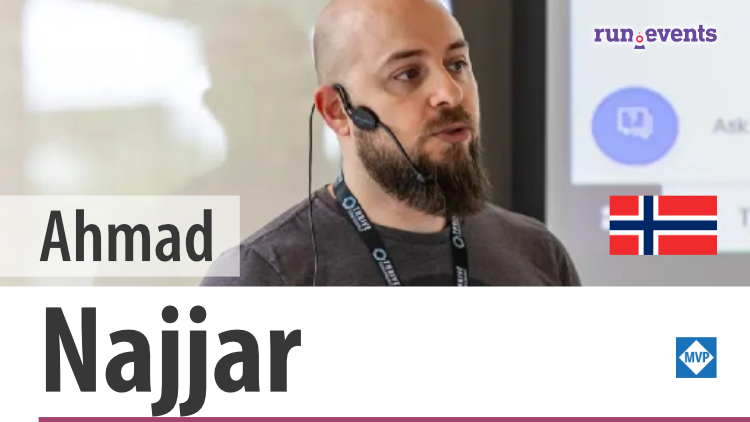
Ahmad Najjar
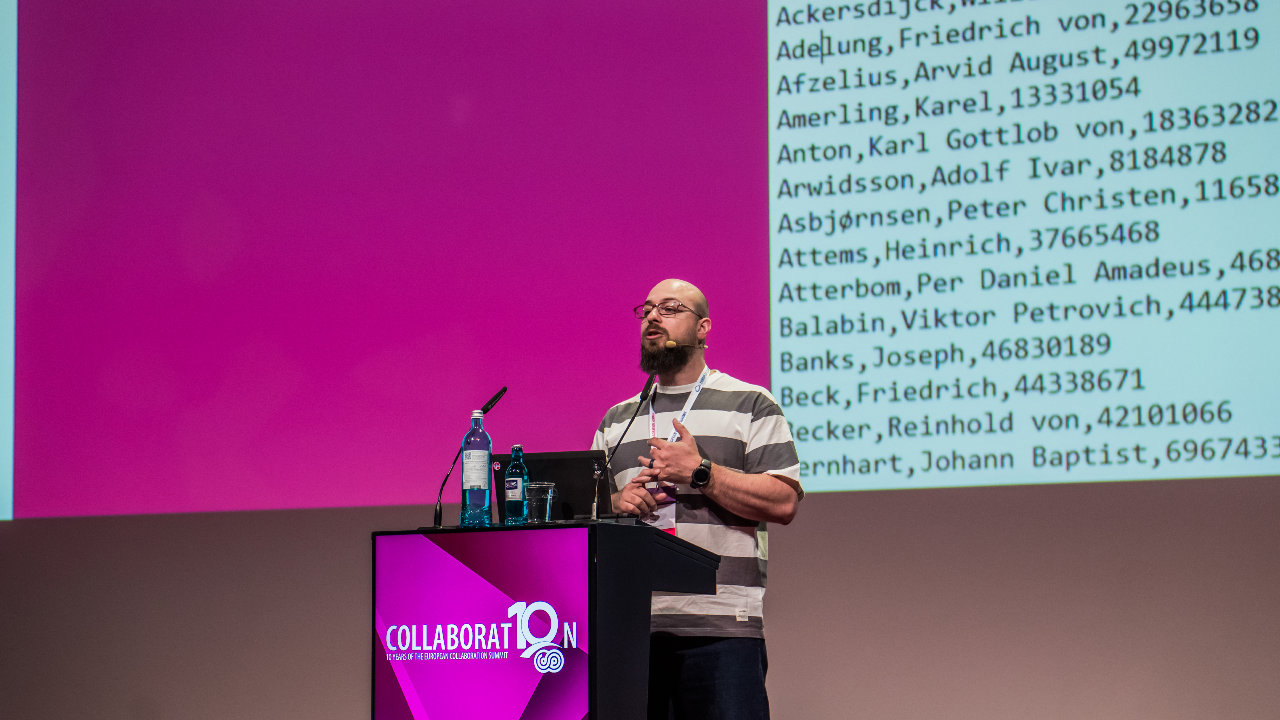
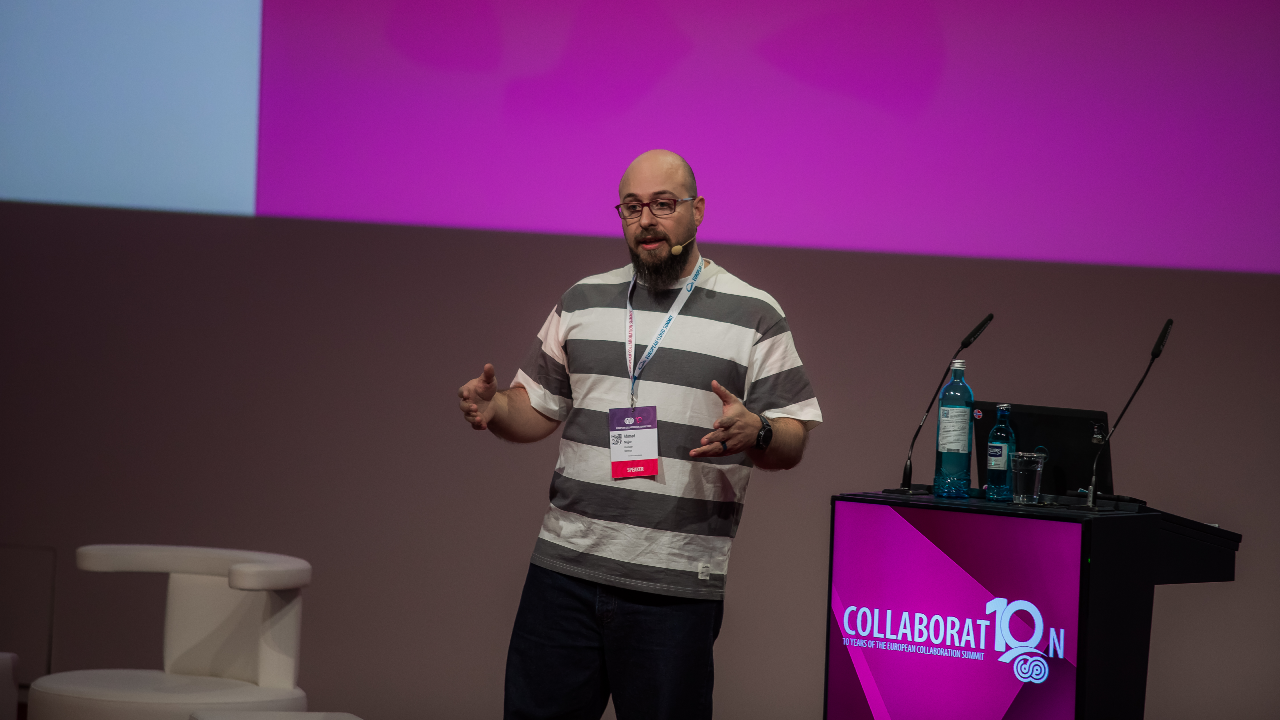
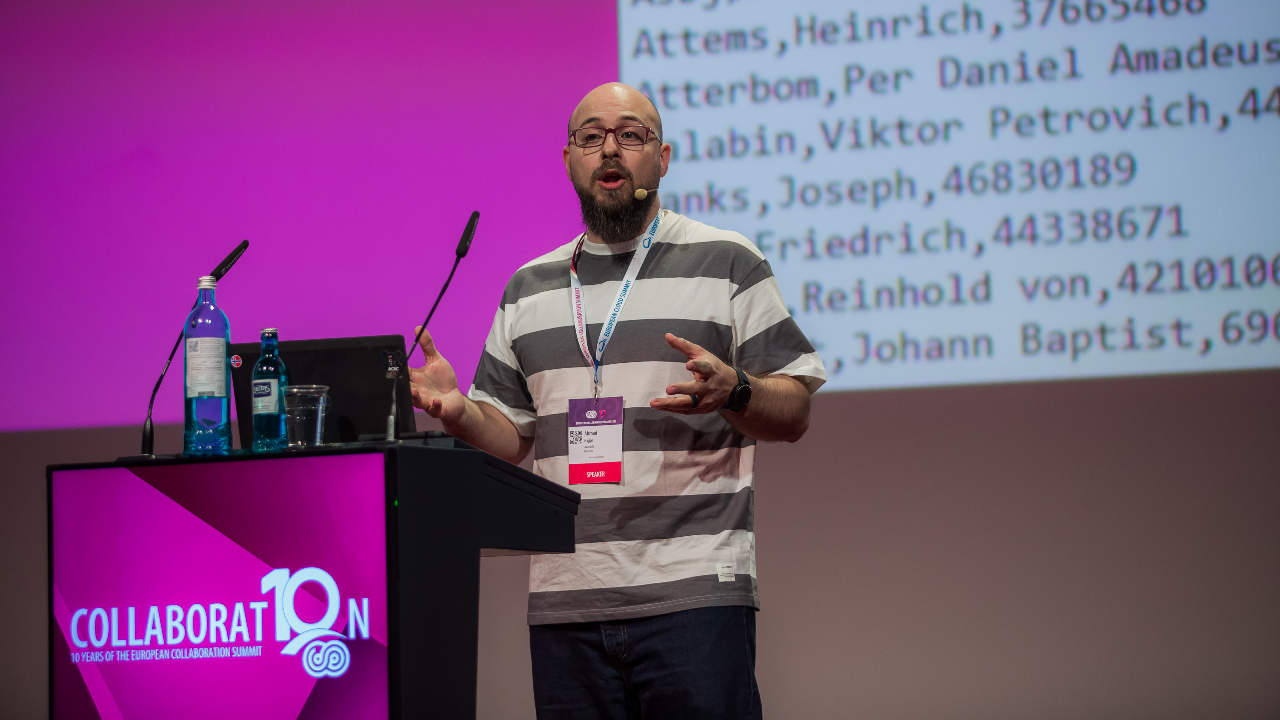
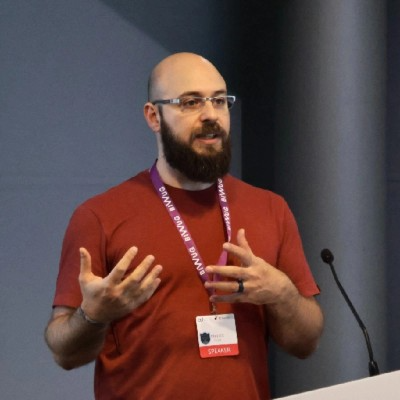
Ahmad Najjar is a Managing Solution Architect at Capgemini. During his 20 years of experience, Ahmad has mainly worked with Microsoft based technologies, ranging from core development tools like ASP.NET and C#, databases like Microsoft SQL Server, Azure SQL and CosmosDB, collaboration platforms like SharePoint Server, Office 365, and Teams, to business apps like Power Automate and Power Apps. Power Platform is what Ahmad does everyday! He researches, programs, plans, designs, and administers building Power Platform projects, applying deep technical knowledge of project designs and detailing. He is a subject matter expert in the Power Platform generally, and in Power Automate, Power Apps and AI Builder specifically! Though, he is an experienced architect at mind but he is still an enthusiastic developer at heart! Ahmad is also an expert in Azure Logic Apps, whereas he delivered enterprise scale projects using Logic Apps, worked on designing integrations with line of business applications and core systems, and delivered many sessions and workshops on the subject! Ahmad is a frequent presenter and courses instructor at world-wide industry conferences, events and hackathons; for his expertise and contributions he is an active awarded Microsoft MVP and Microsoft MCT.
Ahmad can deliver sessions in
Relevant industries
Connect with Ahmad


Important links