Poland
Upcoming Speaking Engagements
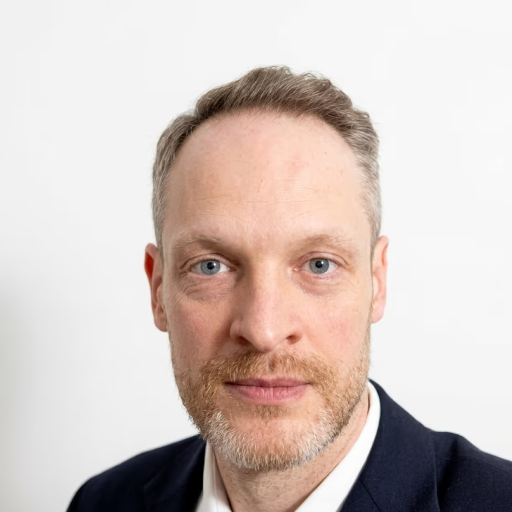
Senior Business Architect | Agentic AI, Copilot agents | Power Platform | Enterprise Process Automation | Capgemini I design business systems that actually work—connecting high-level strategy directly to day-to-day operations. Over my 25-year career, my focus has spanned large-scale operations at European industry clients, media corporations, financial data and due diligence for Wall Street clients, and leading enterprise CRM and AI programs. For the past four years at Capgemini, I have been delivering complex agentic solutions for energy, HR and other sectors, as well as portfolio management and business process automation solutions on the Power Platform with focus on Copilot studio, and Azure. Currently, my work focuses heavily on Agentic AI implementations using Microsoft Copilot Studio. As an AB-100 Certified Architect, I am a strong advocate for pragmatic innovation. While the shift toward autonomous agents is incredibly promising, I do not believe in building AI for the sake of AI. I build secure, governed architectures that rely on clean underlying data and manageable technical debt.
Meet Gleb next at
Baltic Summit 2026
24/09/2026
24/09/2026
Pomorski Park Naukowo-Technologiczny Gdynia
Gdynia, Poland