VP Azure Solutions
Germany
Session Abstract
Azure Virtual Desktop is powerful, but it also comes with hidden challenges that can trip up even experienced IT pros. In this real-life session, you'll discover the Top 5 most important Do's, Don'ts, and How's to make your AVD environment more efficient, stable, and future-proof. We'll cover: - How to successfully upgrade from Windows 10 Gen1 to Gen2 Windows 11 - Why using the wrong image strategy can break hibernation and updates - How v6 VMs can boost performance — and when they might bite back - The common mistakes in host pool/session host architecture - And how to spot and clean up ghost or orphaned resources before they cause issues We'll also take a critical look at ephemeral disks, and close with real-world examples of mistakes you really don't want to repeat - and how to avoid them. If you're running or planning AVD in any capacity, this is the practical guide you didn't know you needed.
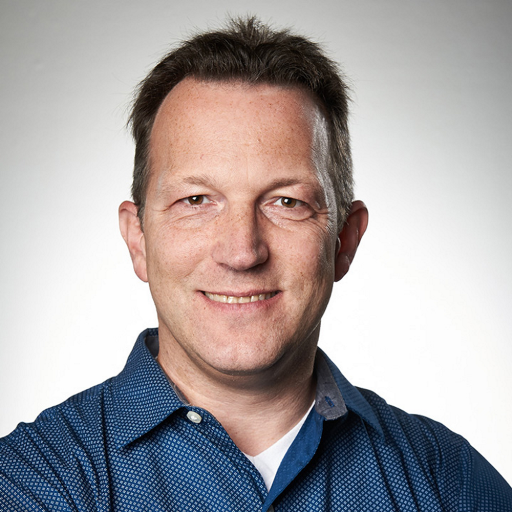
Marcel Meurer
Marcel Meurer has a vast history in IT Consulting and the development of solutions and tools. Today, he is Vice President for Azure Solutions at LoginVSI and has a long history of doing and leading professional IT services. His technical focus is on Microsoft Azure platform services, and he has been recognized as a Microsoft Azure MVP since 2016, having also been honored with the Azure Virtual Desktop MVP award. Since 2021, Marcel has also run the company ITProCloud GmbH. The company focuses on delivering cloud-based solutions for all types of companies. The well-known solutions for managing Azure Virtual Desktop easily and automatically are Hydra for Azure Virtual Desktop or WVDAdmin. ITProCloud was acquired in 2025 by LoginVSI, which continues to create the right solution for the right purpose and make it available to customers. Marcel's journey in the IT industry began in the early 1990s, a time when personal computers were just emerging (and before that, the Commodore 64 was the norm). His focus on assembler and hardware-related programming, particularly in the context of the IoT of the 1990s, showcases his early dedication and passion for the field. In 1995, he began studying electrical engineering. During his studies, machine learning and neural networks were among his favorite topics. In addition to his studies, he worked for a small computer company in Aachen, where he developed operating systems and applications using automated methods on multiple computers. Marcel Meurer graduated with a degree in electrical engineering from the University of Applied Sciences Aachen.
Marcel can deliver sessions in
Relevant industries
Connect with Marcel