Cybersecurity, AI & Cloud Advisor
Romania
Session Abstract
Deepfakes are now cheap, fast, and good enough to fool both busy humans and corporate security controls. Voice fraud, executive impersonation, fake "leaks," and AI-generated video approvals for fraudulent wire transfers are no longer theoretical. Real attacks have already bypassed standard Zero Trust defenses by exploiting the one thing the architecture was built on: identity verification. This session covers how modern synthetic media is made, where it hits hardest, and the solutions that still matter. When an attacker can wear a manager's face on a live call, biometrics and voice authentication stop being controls. We'll walk through what replaces them: cryptographic identity, hardware-bound authentication (FIDO2), C2PA provenance-at-capture, and behavioral verification that current AI cannot trivially fake. At least, not yet. We'll also cover what the EU AI Act and platform disclosure requirements actually change - and what they don't. You'll leave with a practical checklist for your teams and a clear picture of how Zero Trust needs to evolve to survive the synthetic identity era.
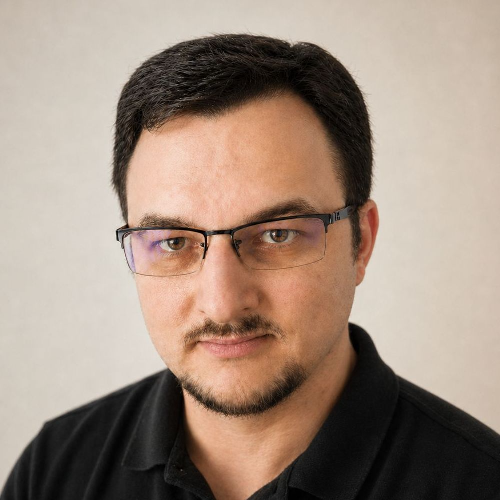
Tudor Damian
With over 20 years in the IT industry, Tudor is a Certified Ethical Hacker and Microsoft MVP who loves everything about technology. As a co-founder of D3 Cyber, he advises organizations on security strategy, AI & Cloud Governance, and EU regulatory compliance (NIS2, DORA, AI Act, CRA). Being a regular presence at local and international events, Tudor combines deep industry experience with a genuine passion for sharing knowledge. After hundreds of talks and training sessions, his goal remains the same: to help IT professionals cut through the noise and build effective strategies dealing with AI-driven threats, Post-Quantum Cryptography challenges, Zero Trust adoption, and an ever-growing EU regulatory landscape.
Tudor can deliver sessions in
Relevant industries
Connect with Tudor