Solution Architect
Bosnia and Herzegovina



Microsoft MVP & Software Architect
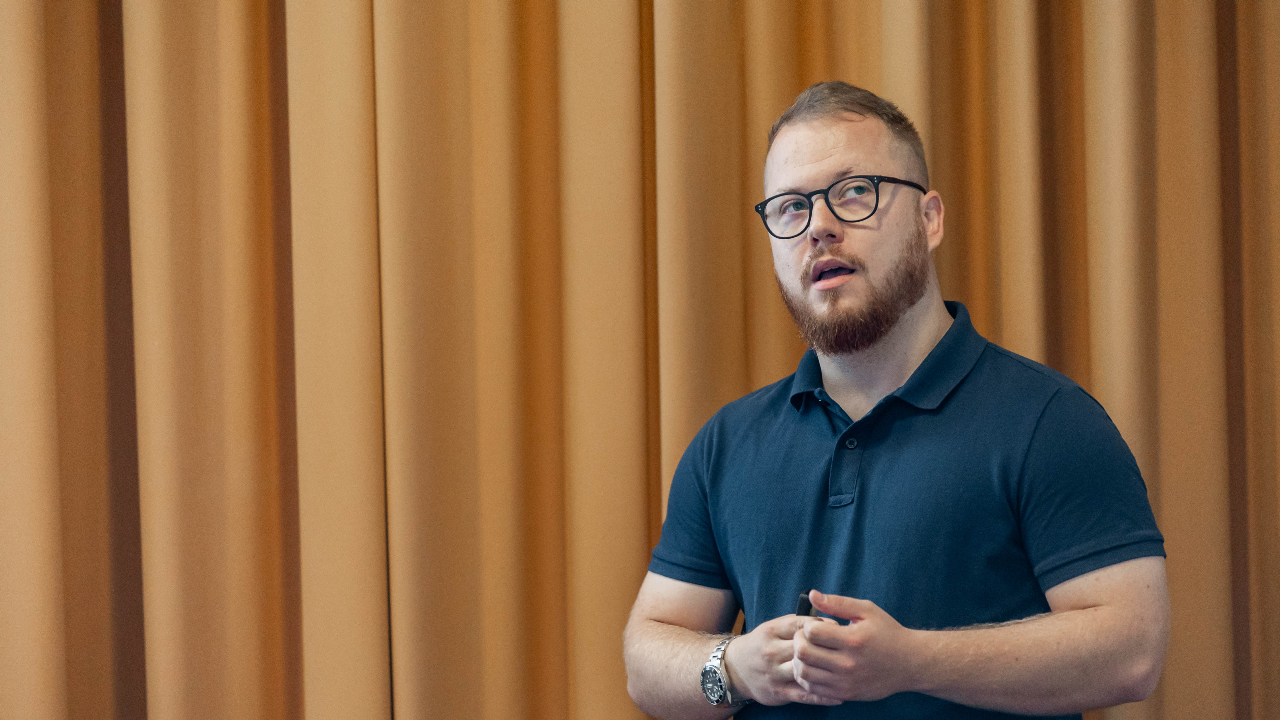
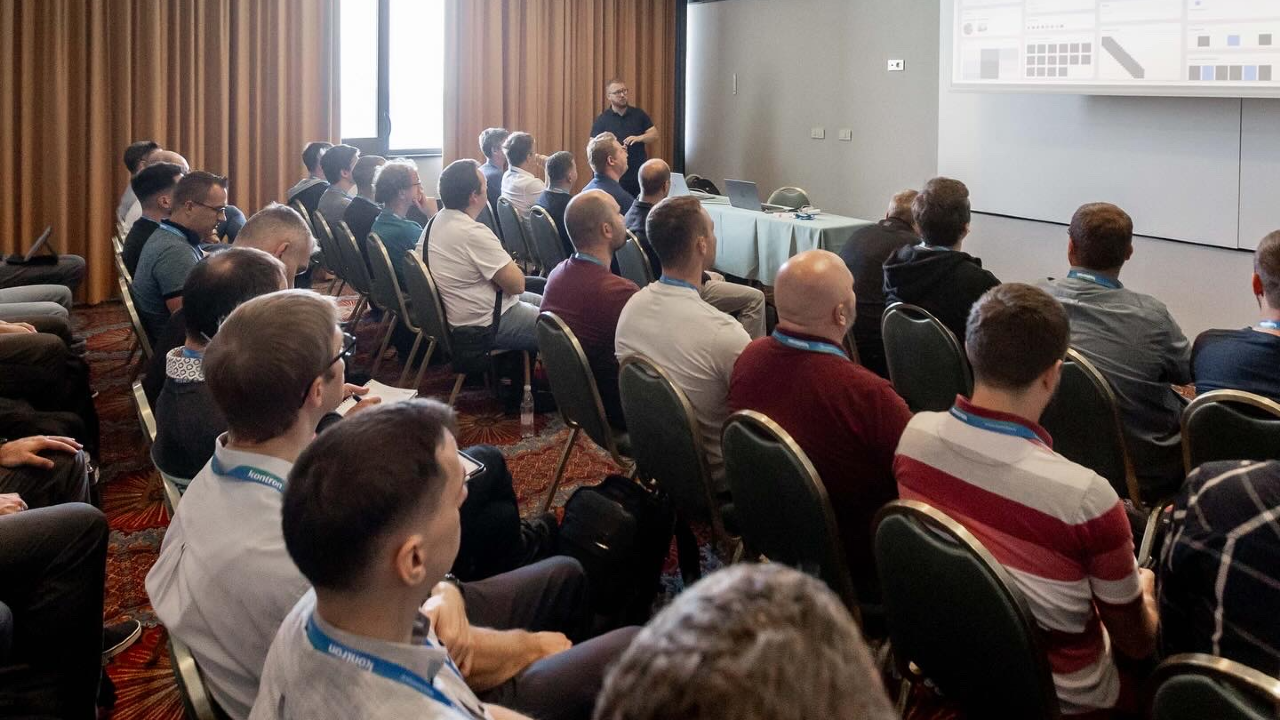
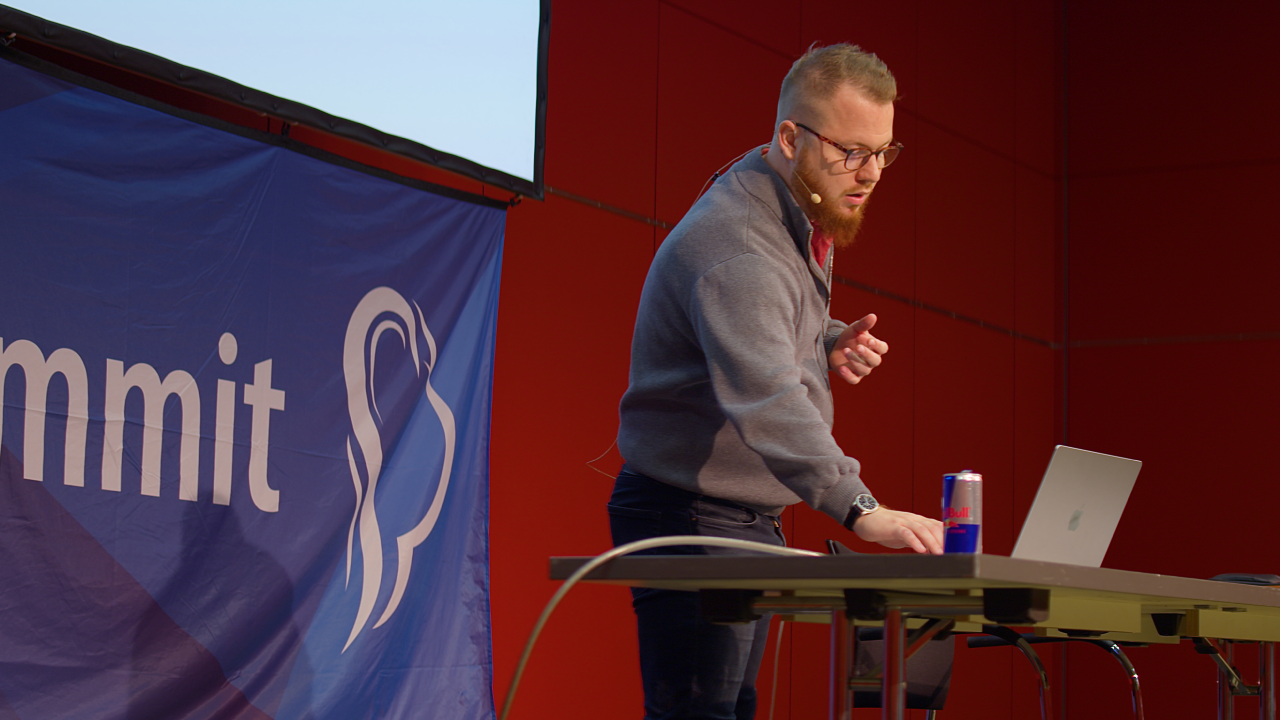
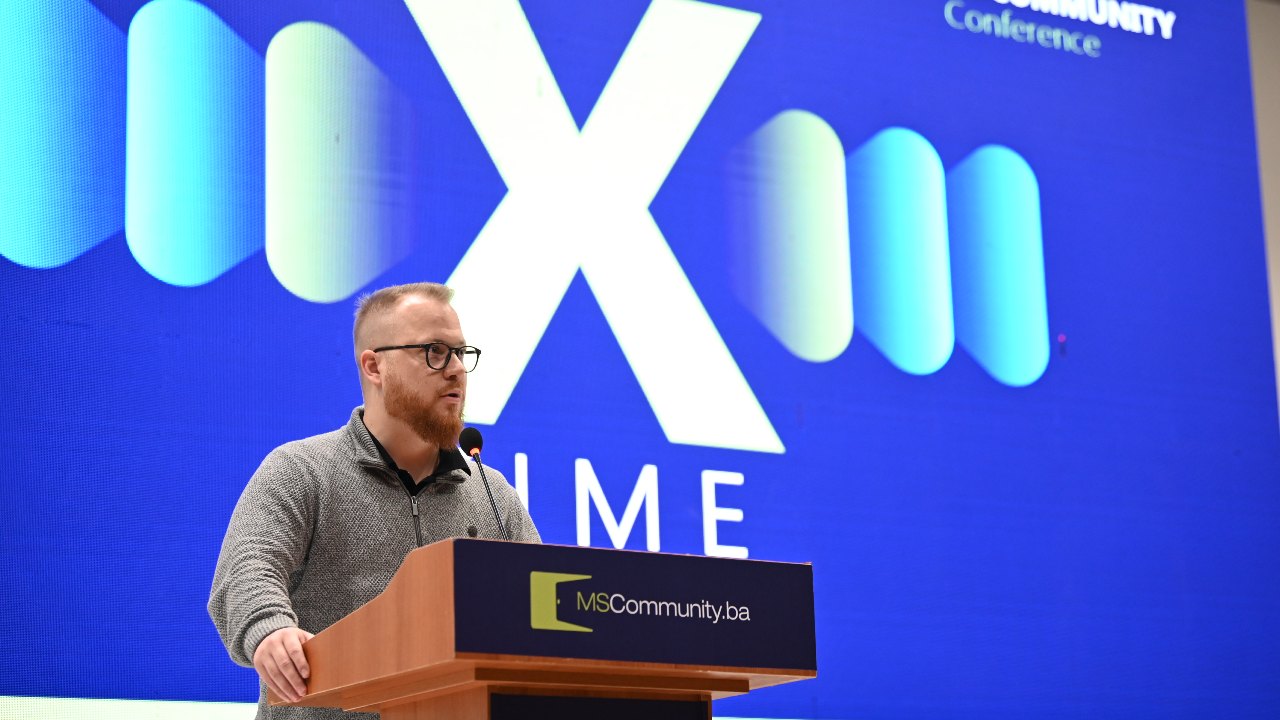
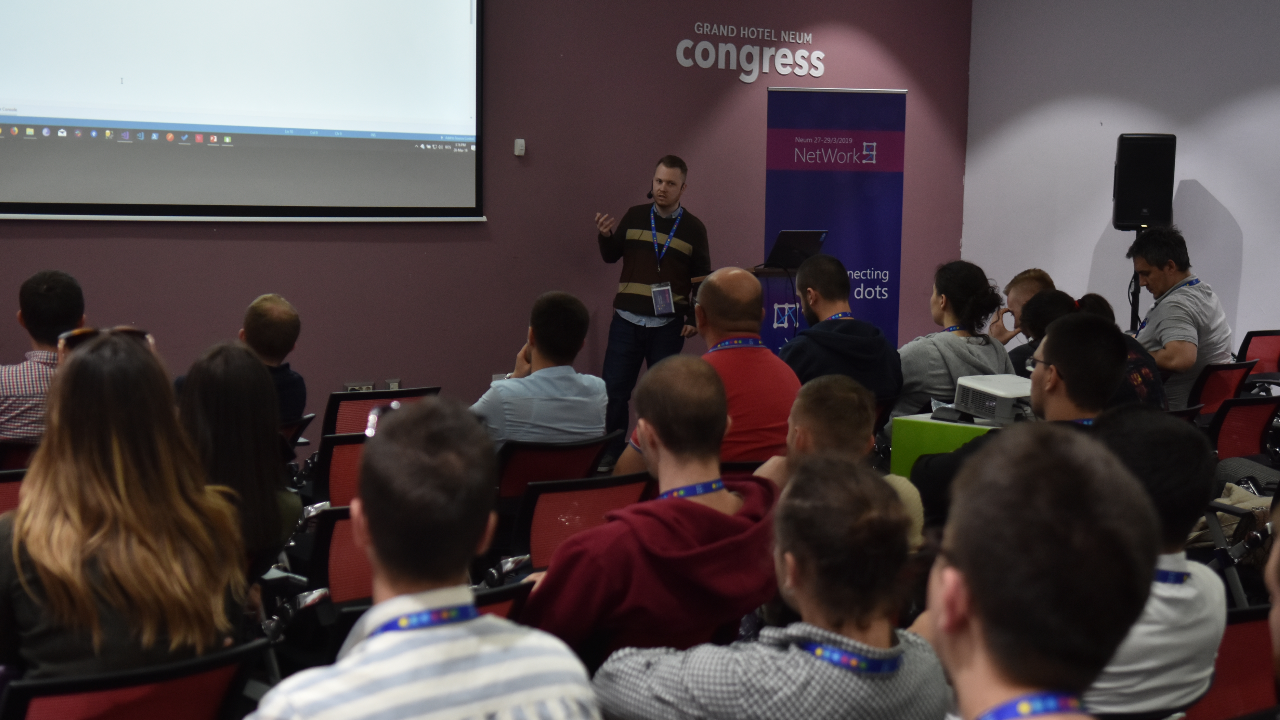
I am a Microsoft MVP and Software Development Engineer. A frequent regional and international speaker at Microsoft-related events and User Group meetings. While spending my free time, love to play chess, run in nature, write blog posts, help the community on StackOverflow to contribute to open-source projects, or be an instructor at NGO programming-related events. Completely dedicated to Software Development, mostly on the .NET platform, crafting apps using C# & .NET. Truly been in love with programming since my childhood days. ♥️

Meet Almir next at
Adriatic Tech Summit 2027
05/04/2027
Join me for an informative session as we delve into the domain of .NET Aspire, a new and opinionated, cloud-ready stack designed for crafting observable, production-ready, and distributed applications using dotnet. With the modern landscape favouring cloud-native architectures, .NET Aspire offers a comprehensive suite of NuGet packages tailored to address specific cloud-native concerns. In this session, we will go through a journey of layers of .NET Aspire, exploring how it empowers developers to architect scalable, resilient, and interconnected microservices. See you at the session!
Read moreStarting a programming journey can be challenging and overwhelming. This presentation is designed for young developers, junior developers, and students, offering key insights and practical advice for those new to the field. We will cover essential topics such as choosing the right programming language, understanding core concepts, and overcoming common challenges. Attendees will also learn about essential tools, continuous learning strategies, and ways to build a strong foundation for their careers. This session aims to equip aspiring programmers with the knowledge and confidence to navigate their early careers successfully.
Read moreSource generators are a powerful feature in .NET that allow developers to generate C# code during compilation. In this session, we’ll introduce the concept of source generators, explain how they work, and show how they can help reduce boilerplate, improve performance, and simplify complex patterns. We’ll cover the basics of creating a source generator using the Roslyn compiler API, explain the difference between standard and incremental generators, and demonstrate how generated code is included in your application. Through step-by-step demos, you’ll see how to build your first source generator, understand where it fits in the build process, and learn how to debug and maintain it. We’ll also look at real-world examples, including INotifyPropertyChanged implementation, configuration binding, and JSON serialization using System.Text.Json. This session is ideal for developers new to source generators who want to understand their capabilities and how to apply them in everyday .NET projects. No prior experience with Roslyn or code generation is required.
Read moreMost .NET developers formed their opinion of MAUI somewhere around 2022, and a lot of those opinions were fair at the time. Four years and an LTS release later, it's worth asking the question again, not as a fan, and not as a critic, but as someone who has to decide what to build the next app in. This session is a status report. We'll look at what MAUI genuinely does well today, where it still hurts, and which problems are fixed, which are worked around, and which are structural. From this, we'll get into the part that actually determines whether a MAUI project succeeds: architecture. What a maintainable app looks like, how to keep platform-specific code from bleeding everywhere, and which decisions are expensive to reverse six months in. We'll also look at where the framework has been heading lately, and what that direction means for real projects." You don't need any MAUI experience. You'll leave knowing whether MAUI belongs in your toolbox, and if so, how to use it without regret.
Read moreMost system design conversations start at the end: load balancers, caches, queues, and shards on a whiteboard before the first user has signed up. Real systems rarely grow that way. They start small, and every new box in the diagram is there because something hurt. In this session we take one ordinary application, a single server with a single database, and grow it one bottleneck at a time. At every step we ask the same three questions: what is actually failing, what is the cheapest change that fixes it, and what does that change cost us? ? Sometimes the answer is just a bigger machine or a missing index. For the times it isn’t, we walk through scaling out, moving state out of the application, connection pooling and read replicas, caching, background work with queues, and sharding as the last resort it should be. You will leave with a way to judge when a system has earned its next layer of complexity, and which parts of it can afford to be briefly out of date.
Read moreAlmir can deliver sessions in
Relevant industries
Connect with Almir


Important links